
Intel has begun work on ultra-thin 10A and 7A processes, and the first 14‑angstrom chips will be tested in October.
Intel – the path to 10‑ and 7‑nanometer process technologies
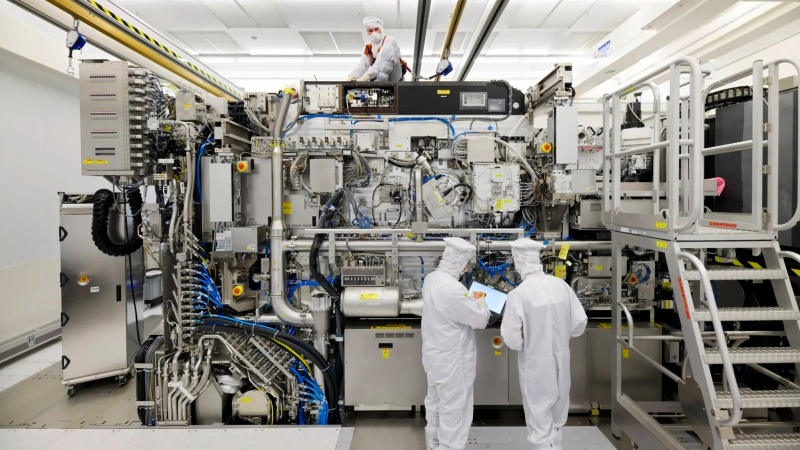
During the week, Intel CEO Lip‑Bu Tan confirmed that the company is already working on new manufacturing technologies for 10 nm (10A) and 7 nm (7A). These processes will replace the current 18 nm nodes and the next generation 14 nm within the next decade. They are planned to use ASML’s high‑NA EUV lithography tools, which were previously used only in the 14 nm process.
> “Right now I’m starting to work on the roadmap for 10A, 7A,” Tan said at JP Morgan’s global technology conference. “People aren’t just reaching out to you; they’re looking for a plan for the future. That’s why we’re building long‑term business.”
Tan emphasized that ambitious development plans are as important as competitive products. Many companies prefer to enter partnership agreements years in advance, so Intel must keep partners informed of its long‑term plans even if commercialization is still far off.
Current status of the 14‑nanometer process
* PDK 0.5 is already available.
* PDK 0.9 (“the holy grail,” according to Tan) is expected in October.
* Intel has several customers working with 14A; the company is refining product and manufacturing capacity requirements but does not disclose their names.
The launch of 14A production is planned for 2028, with serial chip releases in 2029. This will roughly coincide with the time when TSMC begins mass production of chips using the A14 technology. Although A14 is not a direct competitor to 14A (because the latter is better suited for high‑performance data centers), TSMC will start large‑scale A14 production at the end of 2028, and Intel will need time to transition from pilot production to stable output of quality products.
Implementing High‑NA EUV
Deploying new High‑NA EUV tools alongside a host of other innovations is a complex task. Therefore, Intel is closely collaborating with ASML and other partners to ensure the new ecosystem is fully ready for use. Christophe Fouquet from ASML announced the launch of the first test chips on High‑NA EUV in the coming months.
Thus, Intel is already building the foundation for future generations of processors, combining long‑term planning with active work on cutting‑edge lithography technologies.
 Asted Cloud
Comments (0)
Share your thoughts — please be polite and stay on topic.
Log in to comment