
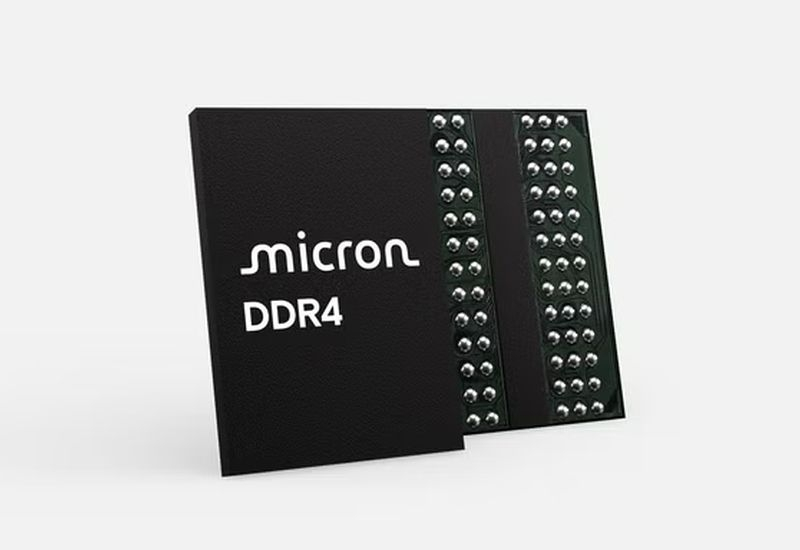
Manufacturers of memory modules and motherboards are ramping up production related to DDR4.
Short Summary
Due to a shortage of DDR‑5 in the server segment, manufacturers and the consumer market are once again turning to DDR‑4. Platforms and modules that had already been declared “discontinued” are returning to production, and factories are forced to open new lines.
1. Why DDR‑4 is back in fashion
- Demand for DDR‑5 is growing in servers, but memory supplies are limited.
- Consumer OEM manufacturers are looking for a “lifeline” in more affordable DDR‑4.
- At Computex 2026, Tom’s Hardware reported that several module and motherboard companies announced increased production of DDR‑4.
2. What manufacturers are doing
Category Action Motherboards Increase the release of models supporting DDR‑4, plan to continue into 2027. In some cases they open new lines because the revival of DDR‑4 was not originally anticipated.
Server platforms Demand for LGA 1700 and other sockets rose in the last quarter by double digits. One supplier is already scaling production with this socket.
Processors Intel supports the trend, while AMD has resumed production of Ryzen 7 5800X3D after significant adaptation of manufacturing processes.
3. Pros and cons of increasing DDR‑4 production
- Advantages
- DDR‑4 packaging technology is simpler than DDR‑5, making scaling easier.
- Limitations
- Availability of silicon wafers is limited: priority goes to more profitable products (DDR‑5, HBM).
- Chips for high‑speed DDR‑4 modules are no longer produced, so new modules will run at moderate frequencies compared to the “past era”.
4. Forecast
All participants in the semiconductor chain agree that memory shortages will persist until at least the end of 2027, despite efforts to revive DDR‑4 production.
Conclusion:
The shift to DDR‑4 in the consumer segment is a response to DDR‑5 scarcity. Manufacturers are scaling up board and module output, opening new lines, but material and technology constraints make the process slow. Memory shortages are expected through the end of 2027.
 Asted Cloud
Comments (0)
Share your thoughts — please be polite and stay on topic.
Log in to comment