
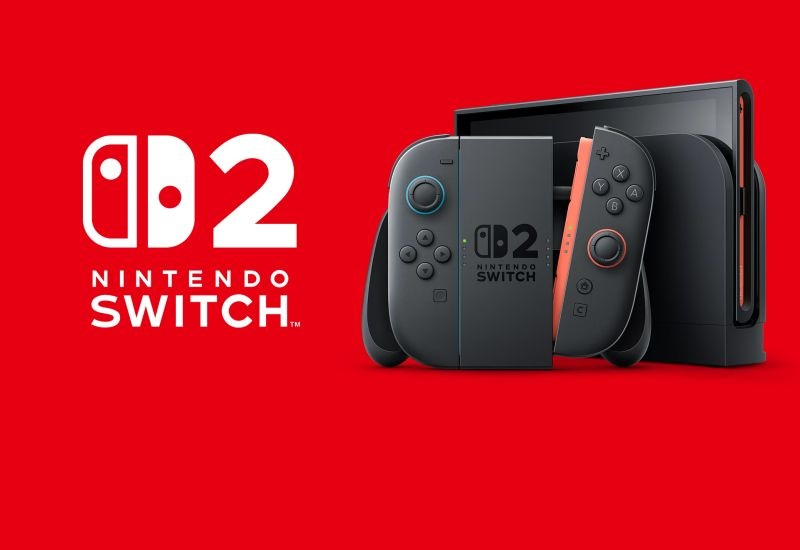
Nintendo lowered its stock price after raising the price of the Switch 2 and a poor forecast, while Sony’s shares rose by 10 %.
Short summary
At the beginning of last week Japanese console makers reported rising memory prices and shortages, which affected stocks differently: Nintendo fell 7 %, Sony rose 10 %.
Below we break down the reasons for these movements.
What happened with Nintendo
Factor How it affected Price increase The company announced a price hike for the Switch 2 starting in September. This immediately reflected on the stock price – a 7 % drop. Pessimistic sales forecast Nintendo predicted a decline in console sales volumes this fiscal year compared to last (which ended in March). Analysts expected more favorable figures. Lack of “hits” Currently there are no standout releases for the Switch 2, heightening investor anxiety about future sales.
> Result: the stock price drop is due to Nintendo not only raising prices but also forecasting a demand decline.
Why Sony outperformed
Factor How it affected Business diversification Unlike Nintendo, Sony has significant revenues from other segments (chip manufacturing, services, etc.), which cushions the impact of gaming industry problems. Experience with PlayStation 5 The console has been on the market for a long time, so the company is better at managing memory costs and redirecting them into product pricing. Positive profit forecast Despite expected revenue decline, Sony anticipates margin growth in its gaming business. New projects A joint venture with TSMC to produce image sensors – a potential new revenue source.
> Result: these factors strengthened investor confidence and led to a 10 % rise in Sony’s shares.
What analysts say
* Morningstar notes that for the Switch 2, the second year after launch usually sees demand growth. Therefore Nintendo’s forecast of declining sales looks especially worrisome.
* Investors see this as a risk: lower sales volumes could affect company earnings.
Conclusion
- Nintendo faced a double problem: price hikes and an expected drop in sales, leading to a stock decline.
- Sony, thanks to diversification and a more mature product, managed not only to hold its course but also increase it by 10 %.
Thus, the difference in market reactions is explained by differences in business models and strategic plans of both companies.
 Asted Cloud
Comments (0)
Share your thoughts — please be polite and stay on topic.
Log in to comment