
Raspberry Pi shares reached an all‑time high.
Raspberry Pi lifts forecast and shares soar
British single-board computer manufacturer Raspberry Pi announced an increase in its target revenue for 2026, which immediately reflected in the price of its shares – they have risen more than threefold over the past year.
Key growth drivers
1. Industrial demand
Strong interest from manufacturing and industrial customers supports sales, especially in automation, robotics, digital signage, and medical equipment.
2. Rising memory prices
In Cambridge the company took advantage of rising memory chip costs and increased its product prices. This boosted margins, but the second half of the year is expected to be less profitable – cheap chips are gradually being depleted.
3. Financial expectations
First‑half net profit was at least $38 million, almost matching analysts’ estimate of $42 million for the full year. This is “significantly higher” than current market forecasts.
4. Share performance
Raspberry Pi shares, part of the FTSE 250, jumped to a record high of 972 pence (≈$13.07). At the start of 2024 they were only 280 pence (~$3.76), reflecting more than a three‑fold increase.
Memory supply strategy
To overcome DRAM shortages and power‑independent memory constraints, the company plans to use credit lines. This will ensure deliveries even amid ongoing market volatility and growing demand for AI hardware. In an official statement Raspberry Pi emphasized that “global uncertainty remains, but we are confident in our ability to secure the necessary supplies and achieve 2026 financial goals.”
Product applications
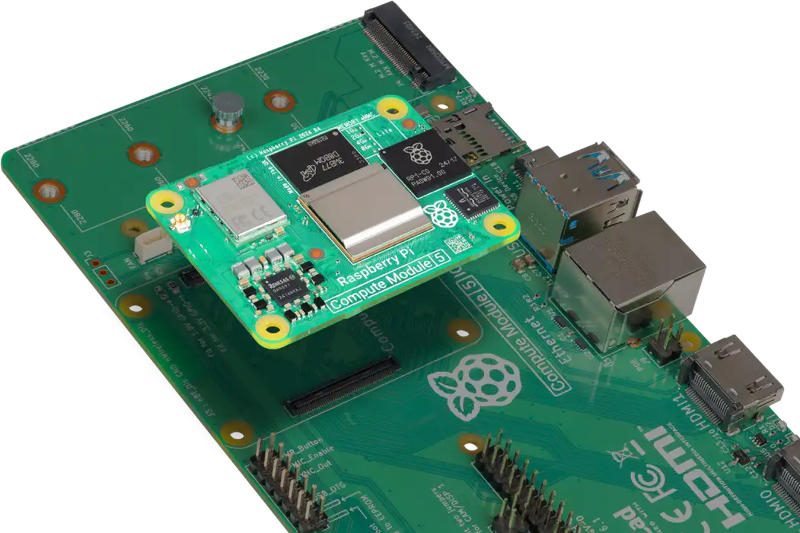
Raspberry Pi – inexpensive single‑board computers the size of a credit card – find use in:
- manufacturing automation,
- robotics,
- digital signage,
- medical equipment,
- energy‑management systems.
About one third of all Raspberry Pi boards and modules either do not use separate memory chips or employ legacy types for which the company maintains its own inventory, independent of market fluctuations.
 Asted Cloud
Comments (0)
Share your thoughts — please be polite and stay on topic.
Log in to comment