
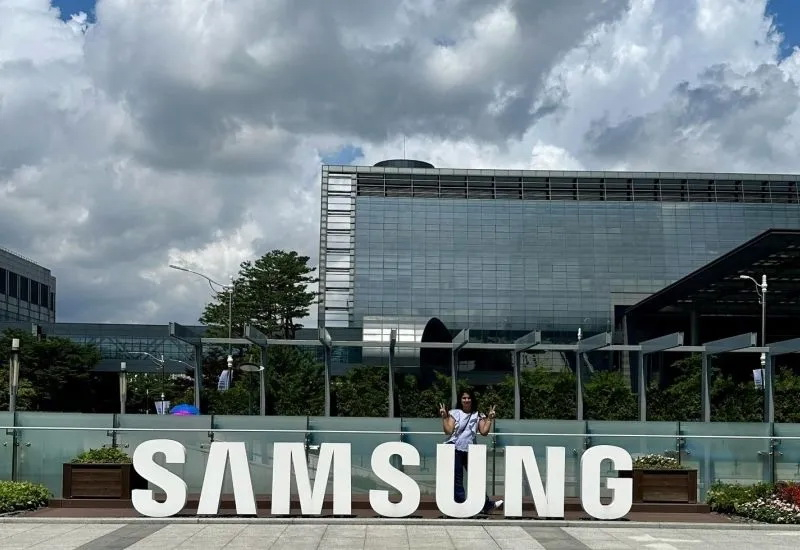
Samsung avoided a potential strike that could have undermined memory prices—employees secured higher bonuses
Samsung Electronics’ union suspends planned strike after preliminary deal
The Samsung Electronics Employees Union announced that it will pause the strike that was set to begin on Thursday. The decision follows a provisional agreement reached between workers and company management over pay, according to Reuters.
*Why the halt matters*
An 18‑day walkout involving almost 48 000 union members could have disrupted South Korea’s economy and global chip supply chains. By agreeing to a temporary pause until the deal is put to a vote, both sides aim to avoid those risks.
Voting schedule
Union leader Choi Seung‑ho told reporters late Wednesday that voting will take place from 22–27 May (the union had previously posted 23–28 May on its website). The vote will decide whether the provisional agreement is accepted in full.
Background of the dispute
Samsung remains one of South Korea’s most prestigious employers, yet employees were unhappy with:
- The gap in bonuses compared to smaller rival SK hynix.
- How performance‑based bonuses would be split among Samsung’s divisions.
The preliminary deal was struck at the last minute after several days of talks that repeatedly stalled—including on Wednesday when the union announced the strike. Negotiations resumed later that day after South Korean Labor Minister Kim Young‑hoon stepped in as a mediator.
Key points of the agreement
- Profit sharing: The parties agreed to distribute profits from loss‑making contract‑logic chip units, a long‑standing sticking point.
- Bonus structure: Samsung will lift its 50 % cap on bonus payouts, tie bonuses to operating profit, and formalize these changes in contracts. A union representative described the deal as “very favorable.”
- Special bonus pool: Approximately 10.5 % of agreed business‑performance metrics will go to a special bonus fund for the chip‑manufacturing division (memory and logic). The metric is operating profit.
- Long‑term payouts: Bonuses will be paid in Samsung shares over at least ten years. From 2026–28, the chip unit should earn more than ₩200 trillion ($133.58 bn) in annual operating profit; from 2029–35, about ₩100 trillion.
Samsung’s management declined to comment on the specifics of the deal.
Why this matters for Korea and the world
Samsung accounts for nearly a quarter of South Korea’s exports and is the world’s largest memory‑chip producer. A strike could have halted production across the company, driving up prices amid the AI boom that has already strained supply chains. The union’s decision to pause the walkout was welcomed by many as a pragmatic choice in the interest of national and societal stability, thanks in part to government intervention.
 Asted Cloud
Comments (0)
Share your thoughts — please be polite and stay on topic.
Log in to comment