
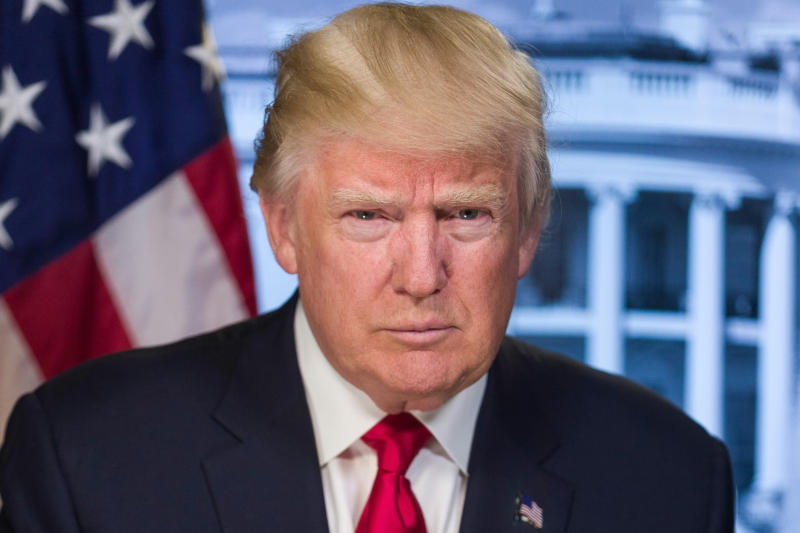
Tech giants finally convinced Trump to abandon signing an order for mandatory AI audits
Brief overview of events
During an 11‑hour series of phone negotiations with leaders of the largest technology companies, U.S. President Donald Trump confirmed that he would not sign the artificial intelligence executive order passed on Thursday, May 21.
Who participated and what arguments were made
- David Sax – former “king” of cryptocurrency and AI;
- Elon Musk – CEO of SpaceX and Tesla;
- Mark Zuckerberg – founder of Meta.
All warned Trump that the new administrative AI review system could become a barrier to the development of technologies underpinning the American economy.
How events unfolded
1. The White House had already sent invitations to technology company leaders for the signing ceremony.
2. A few hours before the event, Trump told reporters in the Oval Office that he was canceling the order because he “didn’t like” the proposal. He emphasized: “I really thought it could become a barrier, and I want to make sure it won’t exist.”
3. Elon Musk later clarified that he had not been briefed on the document’s contents.
Essence of the proposed order
- Creation of a voluntary system in which AI developers are required to provide access to their models to authorities 90 days before widespread release.
- This would allow the government to test models for dangerous features, identify vulnerabilities, and develop protective measures before hackers or foreign adversaries could exploit them.
- The text states that “nothing in this section should be construed as authorizing mandatory state licensing, pre‑clearing, or permits for development, publication, release, or distribution of new models.”
Why technology leaders objected
- Despite the wording “voluntary,” experts warned that the system could become an actual mandatory regime: companies would be forced to obtain approvals from authorities before releasing any model.
- Discussions continued late into Wednesday, May 20. Some administration officials claimed such a document would give China the ability to manipulate new models and launch attacks on the U.S.
- Potential consequences: slowed innovation, falling behind China in the tech race, delays even for minor model updates, and increased capacity for a future president to impose strict AI norms.
Current status
According to the White House, the document will be sent for revision.
 Asted Cloud
Comments (0)
Share your thoughts — please be polite and stay on topic.
Log in to comment