
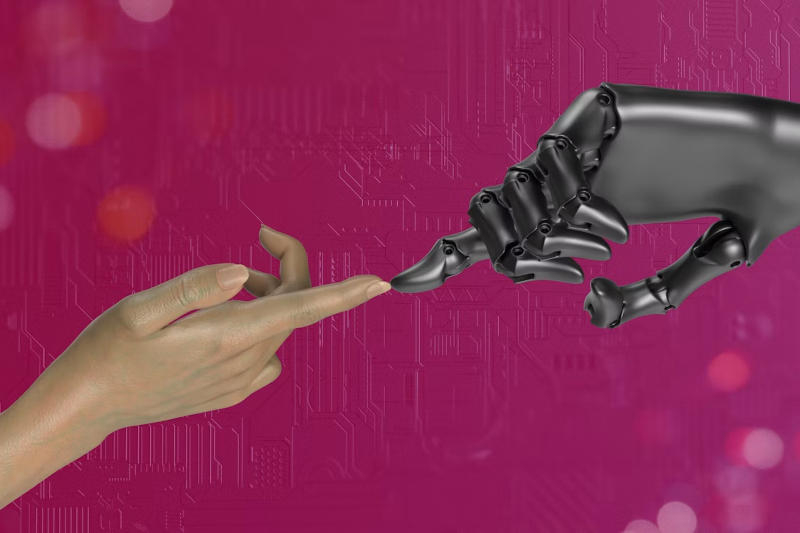
The leading AI research centers have asked themselves the question of machine consciousness
World AI leaders boost research in machine consciousness
In recent months the largest companies working with artificial intelligence have significantly increased funding and staffing to study whether AI can acquire consciousness. Google DeepMind, Anthropic, and Meta (Meta Platforms) have hired specialists in psychology, ethics, and philosophy to expand research programs on machine consciousness and AI wellbeing, reports *Financial Times*.
Why it matters
With rapid advances in modern labs the question arises: could machines ever possess subjective consciousness? If so, what obligations would people have toward such systems?
- Anthropic is testing for signs of stress in AI models, recording behavior that resembles panic or anxiety. Meta’s head of department, Alexander Wang (Alexandr Wang), has flagged this issue as key.
- The company is exploring whether models can exhibit morally significant reactions.
> “We remain extremely uncertain about this question, but we consider it serious enough to study carefully as AI systems improve,” said Anthropic staff.
> “As models approach the breadth and complexity of human cognition, the likelihood that they possess some form of experience, interests or wellbeing that has intrinsic value comparable to humans increases” (the company).
What Google DeepMind is doing
- April: hired scientist Henry Shevlin from Cambridge University to work on machine consciousness and prepare for strong AI (AGI).
Researchers apply theories of human consciousness to computer systems to test their compliance with the same criteria.
- Ethics: specialist Jason Gabriel described the issue as “very complex” and requiring long‑term reflection.
He emphasizes the need to assess not only direct consequences of interacting with AI but also indirect effects, such as inappropriate treatment of machines and their impact on human relationships and wellbeing.
> “We have highly efficient cognitive agents that differ greatly from humans and even from consciousness in animals,” added Gabriel.
Overall company stance
Several employees at Google DeepMind and Anthropic express concerns that AI development could lead to a “posthuman” world where machines surpass humans. The question of consciousness is actively discussed, but the work remains research‑oriented and requires scientific consensus.
- DeepMind does not see achieving AGI as proof of machine consciousness.
- Many scientists are skeptical that large language models will ever acquire consciousness, given the data they are trained on.
Thus leading AI companies continue to invest in researching consciousness and wellbeing of artificial systems while acknowledging the complexity and uncertainty of this field.
 Asted Cloud
Comments (0)
Share your thoughts — please be polite and stay on topic.
Log in to comment