
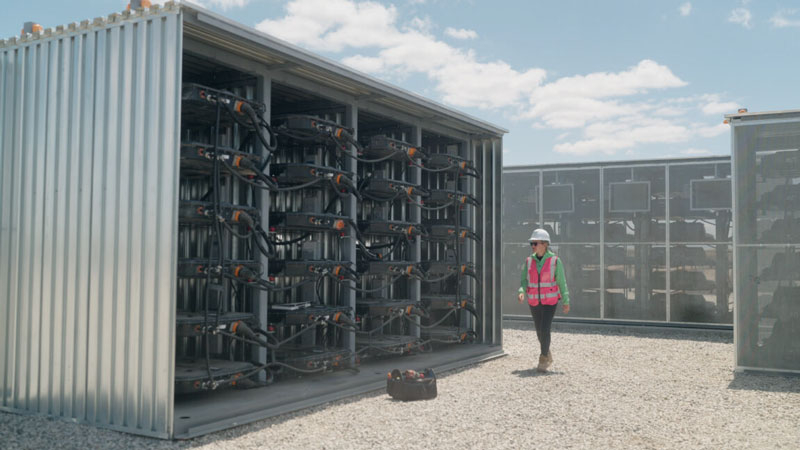
Waymo will turn robot‑taxi batteries into a second use cycle by repurposing them as energy storage devices.
Waymo launches a program to repurpose batteries from its robotaxis
The Alphabet subsidiary Waymo has announced a new project to recycle batteries that wear out in its electric robotaxi fleet. Instead of sending old batteries for standard disposal, they will be converted into stationary energy storage units for grids.
Key partner – B2U Storage Solutions
B2U Storage Solutions specializes in energy storage systems made from used electric vehicle batteries. As part of the partnership, the company takes spent packs, tests their condition, and places dozens of such batteries in large cabinet‑containers about 3 m tall.
How the new storages work
Each cabinet functions as a single energy cell:
- It charges when there is plenty of cheap solar or wind power on the grid.
- It discharges electricity during peak demand periods.
According to B2U, one such cabinet can supply an average household with electricity for up to three months.
Why Waymo batteries need reuse
Waymo’s robotaxis run almost continuously, constantly fulfilling orders. They make about 500,000 trips per week, which leads to rapid battery wear – their capacity gradually declines. Instead of discarding batteries after losing part of their capacity, Waymo chooses to use them until full disposal, thereby maximizing the return on invested capital.
Economic effect
B2U claims that reusing a single battery can generate between $8,000 and $10,000 in revenue from selling electricity. Their EV Pack Storage technology allows entire packs to be deployed without disassembling into individual cells and costly reassembly.
Additional benefits
Waymo’s robotaxis themselves use energy from spent batteries during peak demand hours when they charge from local grids. This is part of the company’s strategy to support communities where services are provided.
B2U experience
The company has already collected over 4,000 battery packs from electric vehicles and started its business with used Nissan Leaf batteries (first project – 2020) after about 2,500 charging cycles. Last year they created a similar system in Texas, and now they are developing an analogous installation in California with Waymo’s support.
 Asted Cloud
Comments (0)
Share your thoughts — please be polite and stay on topic.
Log in to comment