
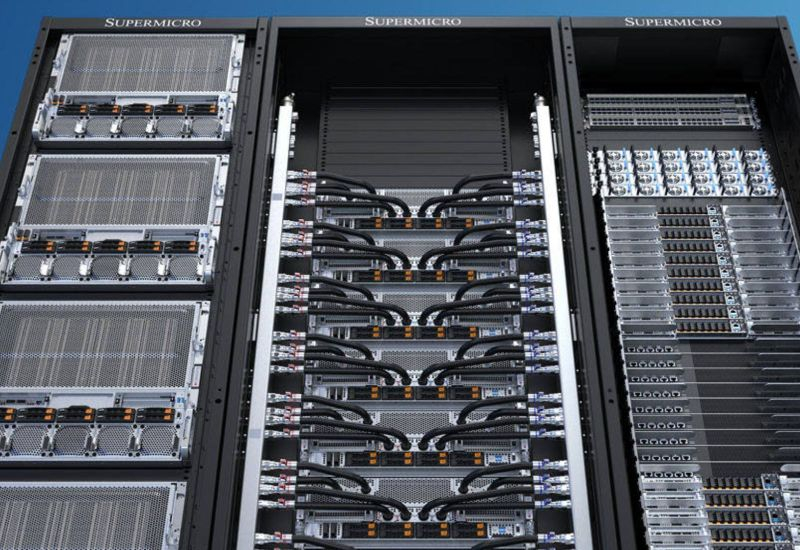
Co-founder of Supermicro declined to take responsibility for the smuggling of Nvidia chips in China and issued a statement on collateral.
Late March saw Supermicro embroiled in an international scandal over the illegal shipment of server systems equipped with Nvidia accelerators to China. Co‑founder Yi‑Shyan Liaw was arrested and charged with involvement in the operation. In last week’s court session he denied guilt but received a conditional release – freedom on a $5 million bond.
What happened
| Indicator | Details |
|---|---|
| Charge | Shipping server equipment with Nvidia accelerators from the U.S. to China despite prohibitions. |
| Methods | Using shell companies in Southeast Asia, falsifying documents and product labeling. |
| Responsible parties | 1) Yi‑Shyan Liaw – Supermicro co‑founder. 2) Rui‑Tsan Chang – company’s sales representative in Taiwan. 3) Ting‑Wei Sun – employee of a subcontractor. |
| Court status | Liaw: denied guilt but received a $5 million bond. Sun: also denies guilt; his lawyer is working on a release. Chang remains at large, not yet arrested before trial. |
Impact on the company
* Financial blow – Supermicro’s market cap fell by more than $6 million.
* Internal changes – Liaw was removed from the board of directors.
* Shareholder rights – Investors filed a lawsuit against the company, claiming it concealed its dependence on accelerator shipments to China.
> Note: The Supermicro enterprise itself is not charged by U.S. authorities with any wrongdoing; the accusations target only individual employees and contractors.
Next steps
The next trial is scheduled for November 2 of this year. Meanwhile, the company continues efforts to restore its reputation and financial stability after the incident.
 Asted Cloud
Comments (0)
Share your thoughts — please be polite and stay on topic.
Log in to comment