
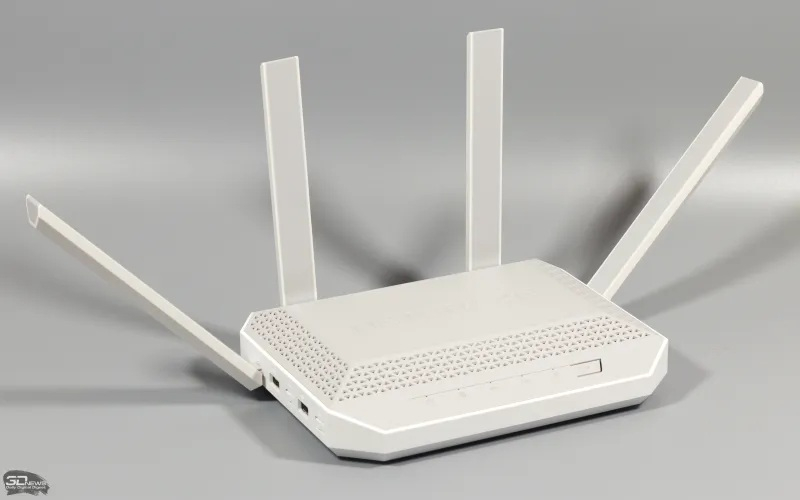
In the United States, importing any foreign routers is prohibited, labeling them as a national security threat.
What happened?
The Federal Communications Commission (FCC) announced a ban on importing new models of consumer networking devices made abroad into the United States unless the manufacturer obtains special permission. The regulator justifies this as an “unacceptable risk to national security and citizens” (source – The Verge).
Who does it affect?
Users will be able to continue using existing routers, and companies that previously received FCC approval to supply specific models of radio equipment can deliver those devices. However, most consumer routers are manufactured outside the country, so almost all new models now fall under the ban.
What does the “prohibited list” look like?
The FCC included all future foreign-made routers in the Covered List (list of prohibited items) and announced that it will not issue new approvals. This effectively makes importing new models impossible.
FCC history and arguments
- The commission previously banned drone imports due to national security concerns (NSD).
- In the case of routers, it relies on a Department of Defense assessment stating: “dominant presence of foreign routers creates unacceptable economic and cyber‑security risks.”
- It notes that such devices were linked to the Volt, Flax, and Salt Typhoon cyberattacks targeting U.S. critical infrastructure.
Why is this important?
Routers are key components for the country’s economy and defense. Dependence on foreign manufacturers is no longer considered acceptable.
Current vulnerability situation
- Recently many vulnerabilities have been identified in routers, making them a popular target for hackers and botnets.
- A major player in the U.S. market is Chinese company TP‑Link, which dominates consumer models. U.S. authorities have already considered banning its devices on security grounds.
The “local production” problem
It’s unclear how simply manufacturing routers in the United States makes them safer. In the case of the Volt Typhoon hacker group, American brands Cisco and Netgear were the primary victims. After those models stopped being produced, they no longer received security updates, leading to increased vulnerability.
Thus, the FCC is imposing strict controls on importing new routers to reduce potential national‑security threats, although the effectiveness of “local production” remains questionable.
 Asted Cloud
Comments (0)
Share your thoughts — please be polite and stay on topic.
Log in to comment