
NASA angered private investors by refusing to create commercial orbital stations, putting billion-dollar investments at risk
NASA changes plans: from “transition” to “creating” a budget nuclear core station
What happened Key dates How companies react At the *Ignition* event (March 24) NASA announced that it does not intend to transition from the ISS to commercial space stations in the coming years.
March 24 Manufacturers of modules are sharply outraged by the proposal.
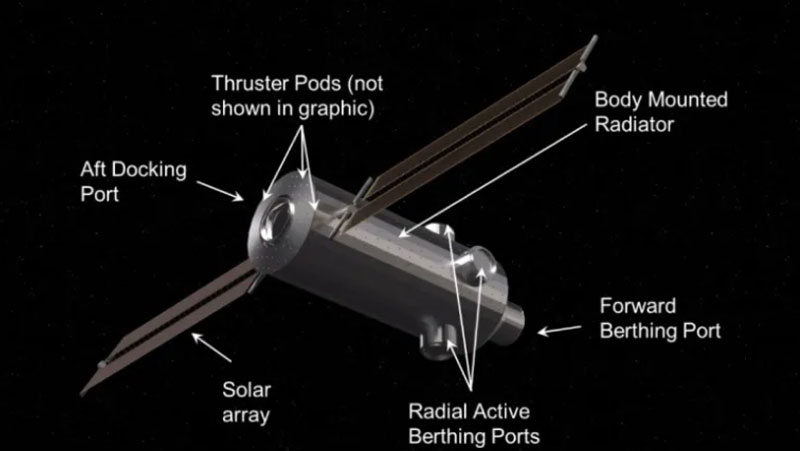
The agency suggested developing a “core” for a budget station (engine, docking ports, life support) and largely maintaining it with its own resources.
March 24 Withdrawal from participation in the project; opposition to revising plans.
On Saturday, during hearings of the House Space Committee (March 25), President of the Commercial Astronautics Federation Dave Cavoss expressed protest.
March 25 Public disassociation from NASA’s statements about slow market development
What exactly did NASA propose
- Build a station core: engine, docking ports, life‑support systems and minimal habitable space.
- Connect it to the ISS within a year.
- After integration – expand the station with commercial modules, but keep flight operations largely under NASA.
> “Yesterday NASA announced that it is considering making another major change… This has caused concern and confusion among companies,” said Cavoss.
Why this causes outrage
1. Billions of dollars have already been invested in developing commercial modules.
2. NASA stated that the “commercial flight market is developing slowly” – contradicted by new investments and bookings (Starlab Space has fully booked payload slots).
3. The plan to create a core on budget funds contradicts the original strategy of transitioning to commercial stations.
> “The commercial market already exists. We are creating it,” Cavoss emphasized, rejecting NASA’s reasons for changes.
What next
- NASA has not yet made a final decision on the fate of commercial stations.
- On March 25 the agency issued an RFI on the basic module. Responses are due by April 8, with a final decision expected in July.
- The main goal remains: to complete ISS operations by 2030 with minimal costs and budget risks.
Company perspective
Companies that have already invested more than a billion dollars in commercial station projects intend to push NASA to abandon its plan revisions. They aim to continue working on fully commercial orbital assets, without relying on budget core modules or agency maintenance.
 Asted Cloud
Comments (0)
Share your thoughts — please be polite and stay on topic.
Log in to comment