
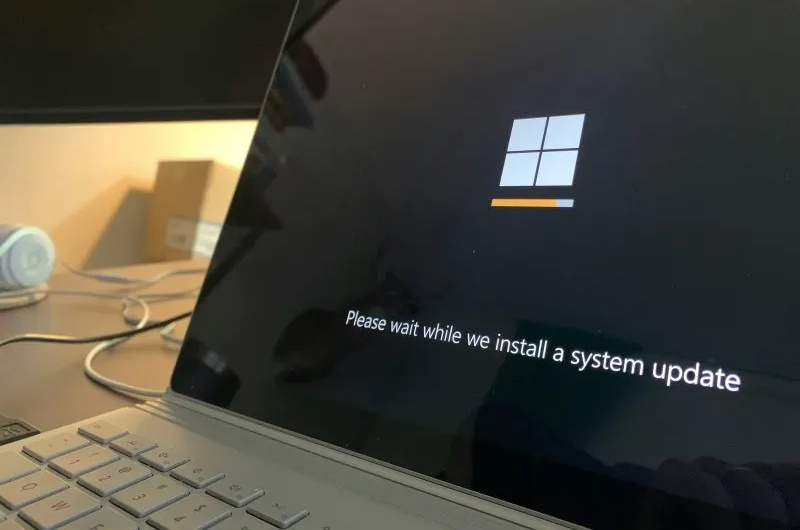
Veteran Microsoft: Windows updates don’t always ruin a computer – sometimes they just expose existing bugs
Key takeaway: new Windows packages don’t always cause crashes
*Raymond Chen*, senior engineer at Microsoft, notes that most client computer problems are not “bad updates,” but pre‑existing defects that surface only after a reboot on the so‑called “update Tuesdays.”
Chen gives an example: some machines were doomed to fail even before they received the new package; it was only the subsequent download that revealed the issue.
Typical complaint flow
1. The client reports a “broken” computer – everything worked before the update.
2. The technical team checks logs, dumps, and traces.
3. Result: the culprit turns out not to be the Windows package but an existing bug.
Rolling back the update does nothing; sometimes just rebooting without installing the package causes the system to stop booting.
Why it happens
* Chen points out that a few weeks before “update Tuesday” other changes could have occurred:
* Installing a new driver.
* Applying new group policy and changing the registry.
* These factors create a “buffer of errors” that only manifest during the next full reboot.
Impact of current updates
- Previously Microsoft focused more on code testing; now many packages are released faster with less oversight.
- Example from late March: the company issued an out‑of‑band patch to fix an issue where the update wouldn’t install due to missing or corrupted files.
Conclusion
Although third‑party interference can cause failures, in today’s environment the main reason is reduced quality and stability of Microsoft updates themselves. This is confirmed by both administrators and end users who regularly encounter unpredictable crashes after installing packages.
 Asted Cloud
Comments (0)
Share your thoughts — please be polite and stay on topic.
Log in to comment