
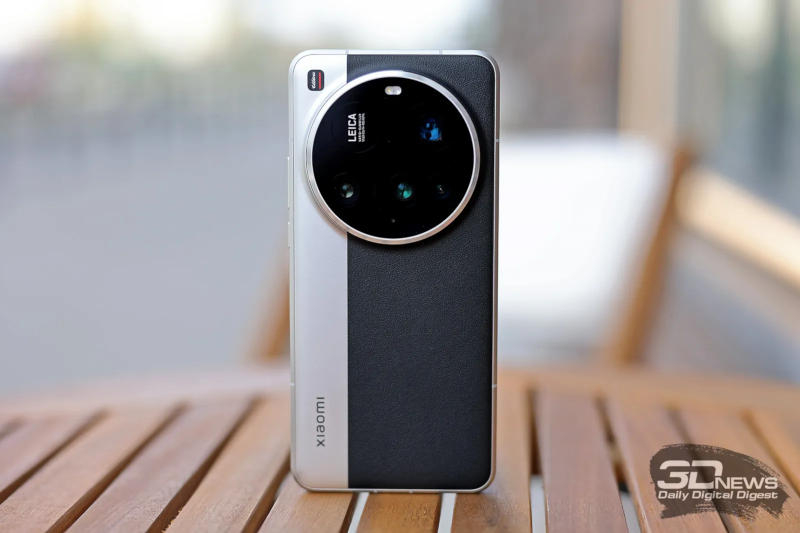
Xiaomi announced the retirement of MIUI, ending the era of the company's popular operating system shell
Xiaomi ended MIUI support and introduced HyperOS
A brief history of MIUI – Launch: August 2010, based on Android 2.2 Froyo.
- Early versions: distributed as custom ROMs for third‑party smartphones.
- Popularity: thanks to regular beta updates and extensive customization options (themes, icons, fonts, sounds), MIUI quickly gained a reputation as an “experimental” skin that supported root access and app cloning.
- Ecosystem: during its development it added native apps for phone, messaging, notes, music, gallery, and built‑in call recording.
Growth of the user base | Year | Active users (million)
|-----|-----------------------------|
| 2015 | > 100 |
| 2018 | ~200 |
| 2019 | ~300 |
| 2021‑early | ~400 |
| November 2021 | > 500 |
At its peak, more than 15 % of the global population used Xiaomi, Redmi and Poco smartphones with MIUI.
Transition to HyperOS – Announcement: October 2023.
- First flagship: Xiaomi 14 launched immediately with built‑in HyperOS a few days later.
- Reasons for the shift: difficulty managing over a hundred devices across 200 categories (smart speakers, air conditioners, electric cars) due to heterogeneous firmware.
What is HyperOS?
1. Platform – a human‑centric OS that merges Android and Xiaomi’s own Vela IoT platform with a Linux kernel.
2. Low memory footprint, higher performance and stability compared to MIUI.
3. Device integration – the phone can act as a car key, stream video to a TV, or control smart‑home elements without extra setup.
Key component: HyperConnect – discovers and connects devices in real time over the network.
- Enables instant synchronization of content and services between the smartphone, car, household appliances and IoT devices.
The final touch – MIUI support in 2026. Throughout 2026, MIUI updates were available only on two models: Redmi A2 and Redmi A2+. After installing Android 13, security patches followed, and official support ended on March 24 2026.
Thus Xiaomi concluded the era of one of the most popular Android skins and opened a new chapter with HyperOS, becoming the hub of its smartphone, smart‑home and electric‑car ecosystem.
 Asted Cloud
Comments (0)
Share your thoughts — please be polite and stay on topic.
Log in to comment